Are You Washing Your Face Properly?

Taking care of your skin is essential to maintaining its health and appearance. One of the most fundamental aspects of a skincare routine is washing your face. Properly washing your face can help remove dirt, oil, and makeup, prevent acne breakouts, and promote a healthy and radiant complexion. Here are some tips on how to wash your face properly:

  1. Choose the right cleanser: It’s important to choose a facial cleanser that’s suitable for your skin type. If you have oily skin, look for a cleanser that contains salicylic acid or benzoyl peroxide. If you have dry or sensitive skin, choose a gentle, fragrance-free cleanser. Avoid using bar soap as it can be too harsh and strip the skin of its natural oils.
  2. Wash your hands: Before you begin washing your face, make sure your hands are clean. Wash them thoroughly with soap and warm water for at least 20 seconds.
  3. Use lukewarm water: Avoid using hot water as it can dry out your skin and cause irritation. Instead, use lukewarm water to wet your face and open up your pores.
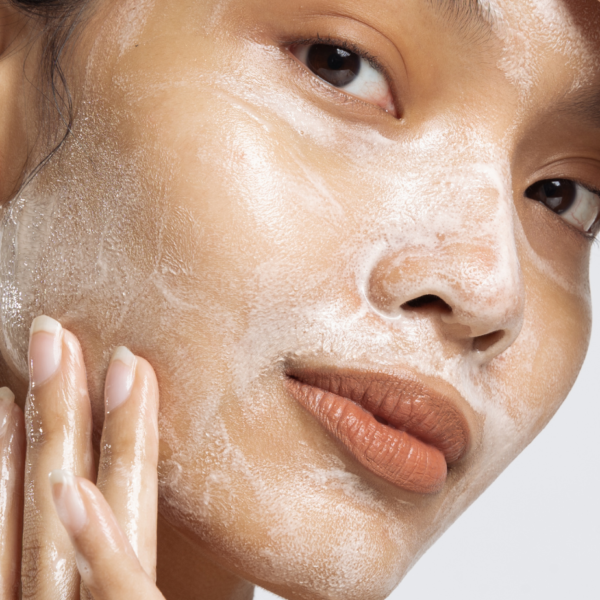
  4. Apply cleanser: Take a small amount of cleanser and apply it to your face using your fingertips. Gently massage the cleanser into your skin in circular motions for at least 30 seconds. Be sure to cover your entire face, including your forehead, nose, cheeks, and chin. Avoid the eye area as the skin around the eyes is delicate.
  5. Rinse thoroughly: Rinse your face with lukewarm water to remove the cleanser completely. Make sure to rinse thoroughly, as leftover cleanser can clog your pores and cause acne.
  6. Pat dry: Gently pat your face dry with a clean, soft towel. Avoid rubbing your face, as this can cause irritation and damage to the skin.
  7. Tone: Toner removes any last traces of dirt, grime and impurities stuck in your pores after you wash your face. When added to your daily skincare routine and used regularly, it can significantly impact the appearance and tightness of your pores (hello, aging skin).
  8. Serum: Apply serum before moisturizer. This is because serum is usually more lightweight, whereas moisturizer tends to be thicker. Applying serum first can also give the skin more opportunities to absorb the active ingredients.
  9. Moisturize: After washing your face, moisturize to keep your skin hydrated and healthy. Choose a moisturizer that’s suitable for your skin type and apply it evenly to your face and neck.

In conclusion, washing your face properly is essential for maintaining healthy and radiant skin. By following these simple steps, you can effectively cleanse your skin and prevent acne breakouts while promoting a healthy complexion. Remember to choose the right cleanser (one of our skin experts is happy to help), use lukewarm water, and apply a moisturizer after washing your face to keep your skin looking and feeling its best.

For spa locations and hours, click here!
Benefits of Plexr Plus Soft Surgery

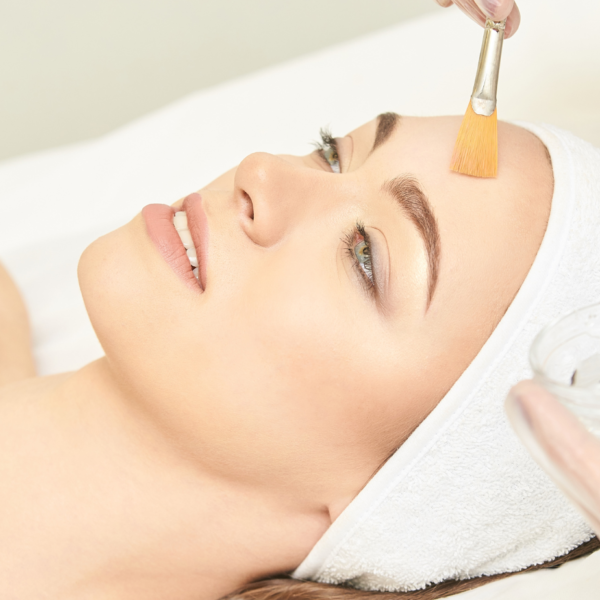
A chemical peel is a cosmetic treatment in which an acid solution is applied to the skin to remove the top layers. The acid solution causes the dead skin cells to peel off, revealing new, smoother skin underneath. Chemical peels can be used to improve the appearance of fine lines and wrinkles, acne, uneven skin tone, and age spots.

There are different types of chemical peels, which vary in strength and the type of acid used. The three main types of chemical peels are:

Superficial peels: These peels use mild acids, such as alpha-hydroxy acids (AHAs) and beta-hydroxy acids (BHAs), to remove the outermost layer of dead skin cells. They are often used to improve the appearance of fine lines and wrinkles, as well as to treat acne.

Medium peels: These peels use stronger acids, such as trichloroacetic acid (TCA), to penetrate deeper into the skin. They are used to improve the appearance of deeper wrinkles, age spots, and uneven skin tone.

Deep peels: These peels use the strongest acids, such as phenol, to penetrate the deepest layers of the skin. They are used to treat severe wrinkles, age spots, and uneven skin tone.

Before undergoing a chemical peel, it is important to consult with a qualified skincare professional to determine the appropriate type of peel for your skin type and concerns. They will also give you instructions on how to prepare your skin before the treatment, and how to care for your skin after the treatment.

Chemical peels can cause side effects such as redness, swelling, and flaking or scaling of the skin. It’s important to follow the after care instructions provided by your skincare professional to minimize these side effects and promote healing.

It’s also important to protect your skin from sun exposure after a chemical peel, as your skin will be more sensitive to UV rays and may burn more easily.

In conclusion, chemical peels can be a effective way to improve the appearance of fine lines, wrinkles, acne, uneven skin tone and age spots, but it’s important to consult with a qualified skincare professional before undergoing the treatment to ensure the appropriate type of peel for your skin type and concerns.

What is a Chemical Peel?

A chemical peel is a cosmetic treatment in which an acid solution is applied to the skin to remove the top layers. The acid solution causes the dead skin cells to peel off, revealing new, smoother skin underneath. Chemical peels can be used to improve the appearance of fine lines and wrinkles, acne, uneven skin tone, and age spots.

There are different types of chemical peels, which vary in strength and the type of acid used. The three main types of chemical peels are:

Superficial peels: These peels use mild acids, such as alpha-hydroxy acids (AHAs) and beta-hydroxy acids (BHAs), to remove the outermost layer of dead skin cells. They are often used to improve the appearance of fine lines and wrinkles, as well as to treat acne.

Medium peels: These peels use stronger acids, such as trichloroacetic acid (TCA), to penetrate deeper into the skin. They are used to improve the appearance of deeper wrinkles, age spots, and uneven skin tone.

Deep peels: These peels use the strongest acids, such as phenol, to penetrate the deepest layers of the skin. They are used to treat severe wrinkles, age spots, and uneven skin tone.

Before undergoing a chemical peel, it is important to consult with a qualified skincare professional to determine the appropriate type of peel for your skin type and concerns. They will also give you instructions on how to prepare your skin before the treatment, and how to care for your skin after the treatment.

Chemical peels can cause side effects such as redness, swelling, and flaking or scaling of the skin. It’s important to follow the after care instructions provided by your skincare professional to minimize these side effects and promote healing.

It’s also important to protect your skin from sun exposure after a chemical peel, as your skin will be more sensitive to UV rays and may burn more easily.

In conclusion, chemical peels can be a effective way to improve the appearance of fine lines, wrinkles, acne, uneven skin tone and age spots, but it’s important to consult with a qualified skincare professional before undergoing the treatment to ensure the appropriate type of peel for your skin type and concerns.

Facebook
Instagram